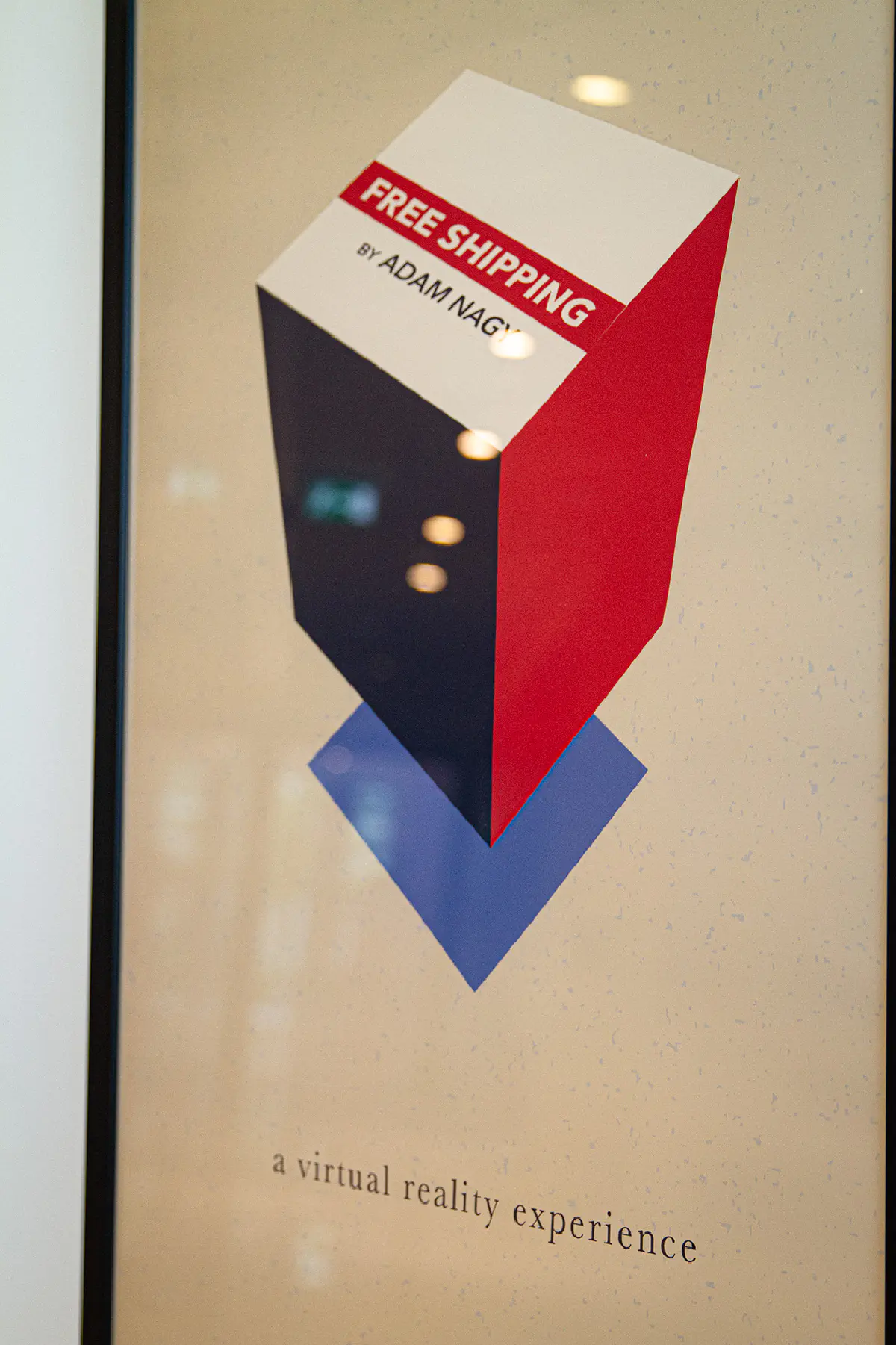
Free Shipping - VR
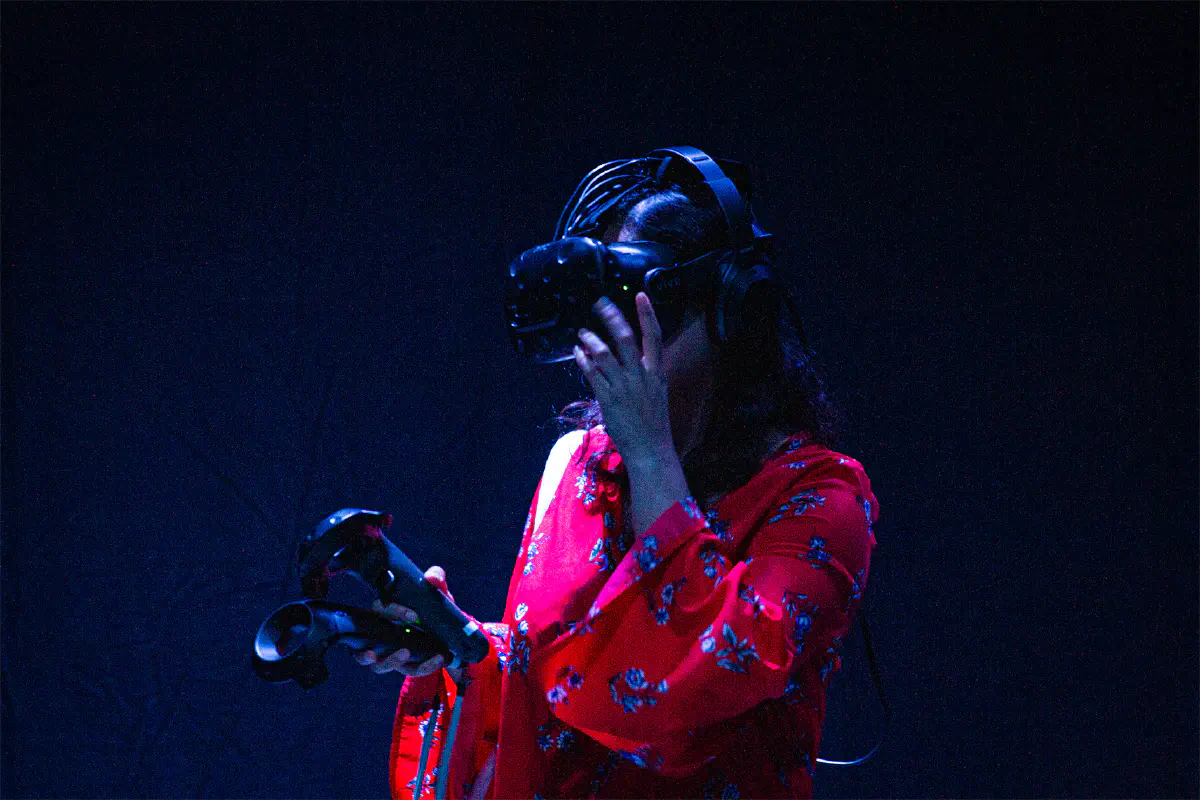
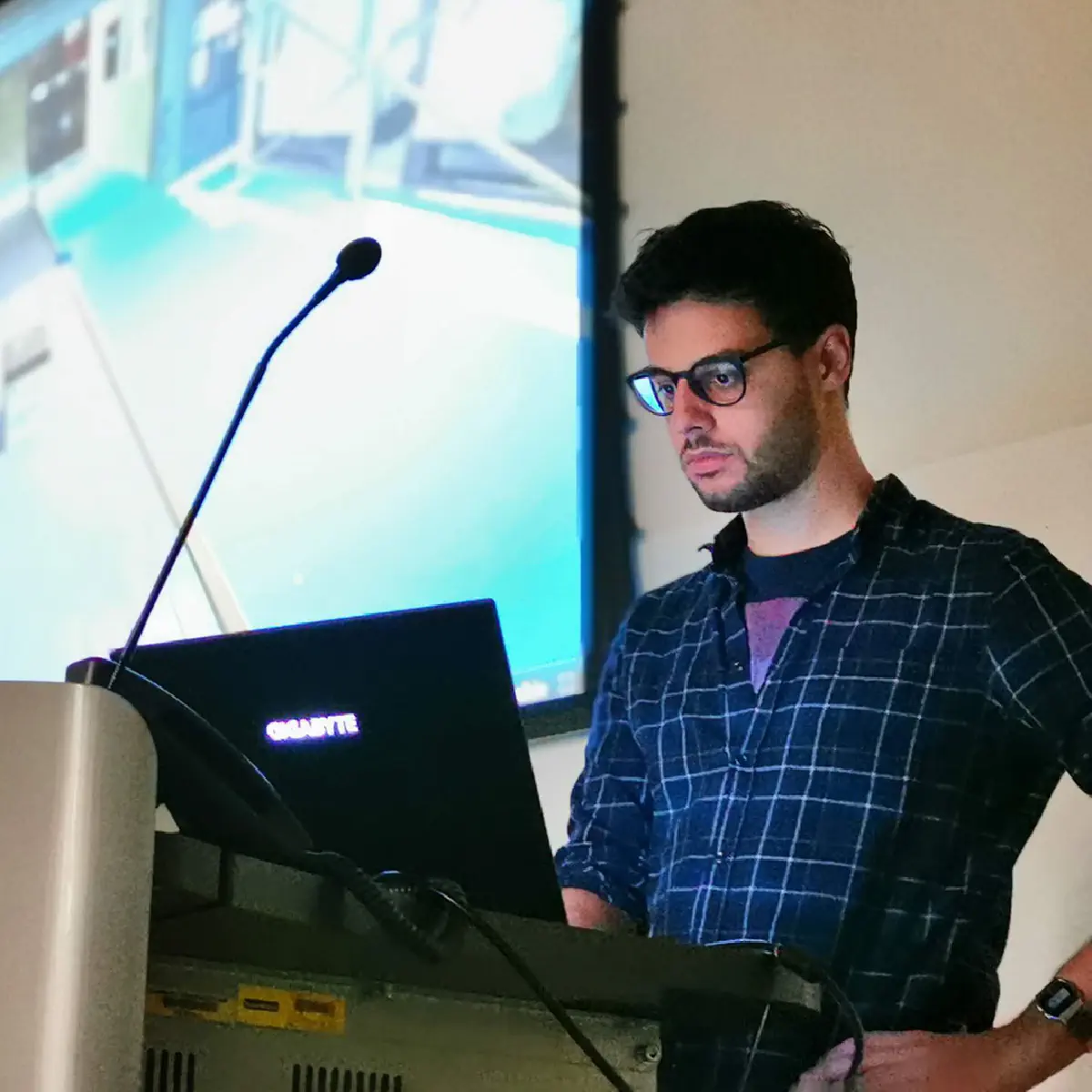
Free Shipping was my thesis project at NYU Abu Dhabi for my Film and New Media major. It’s an interactive VR experience that focuses on stereotypes regarding ethnicities, specifically, how unconscious bias operates on the cultural level. I worked on this project for three semesters, from January 2018 to May 2019.
My role
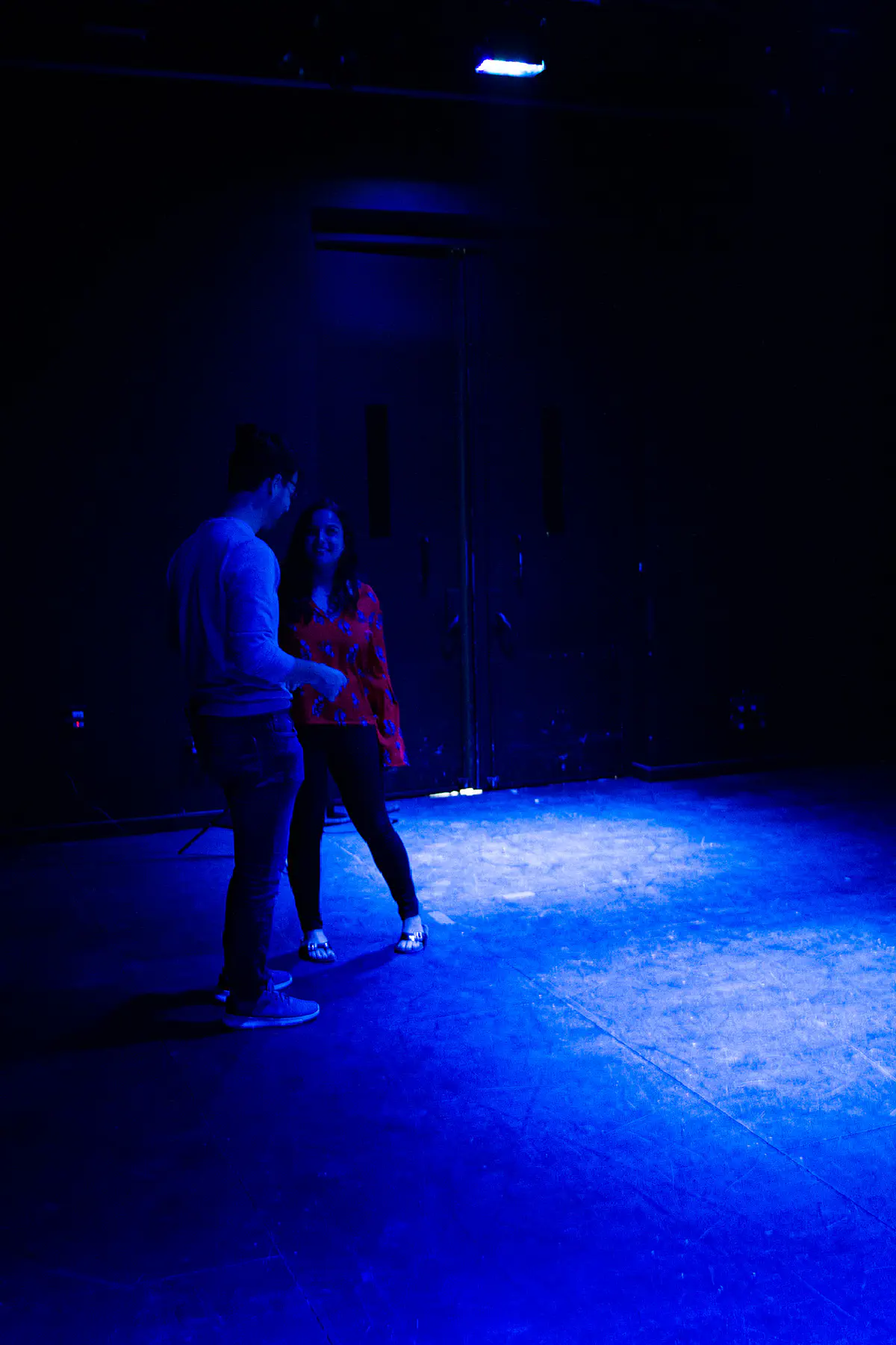
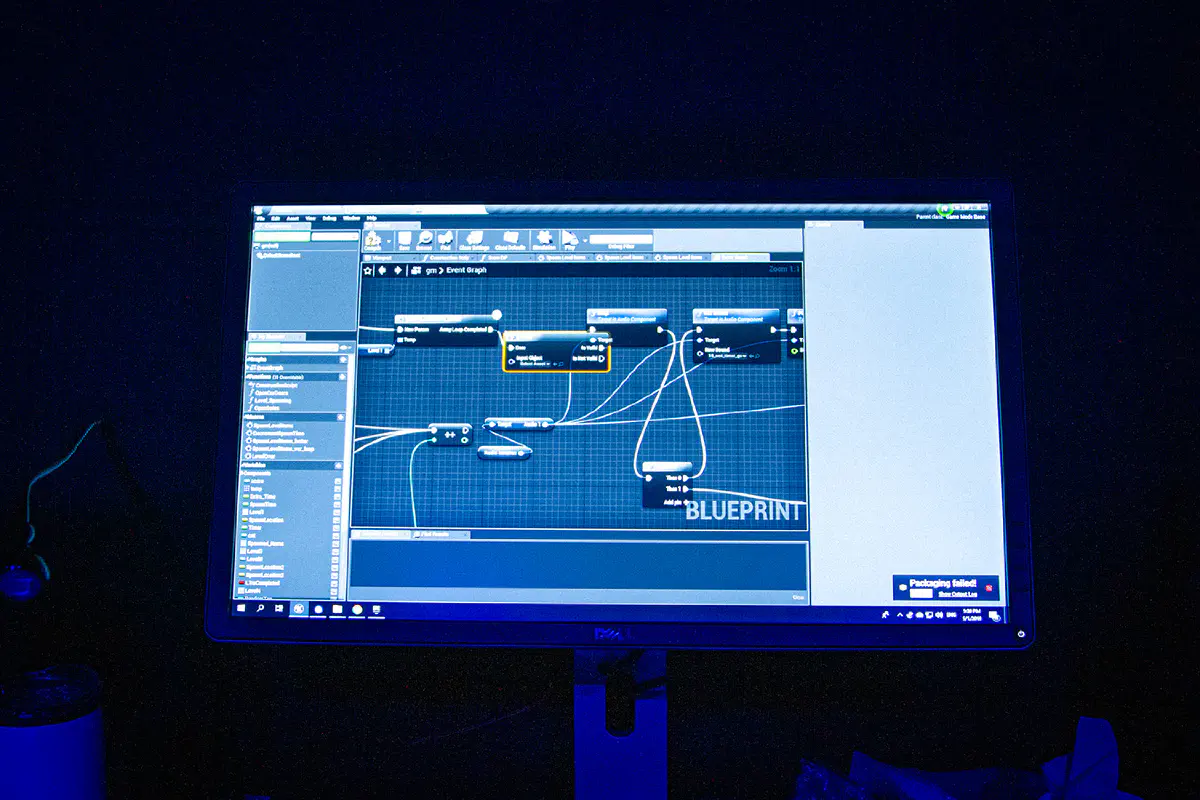
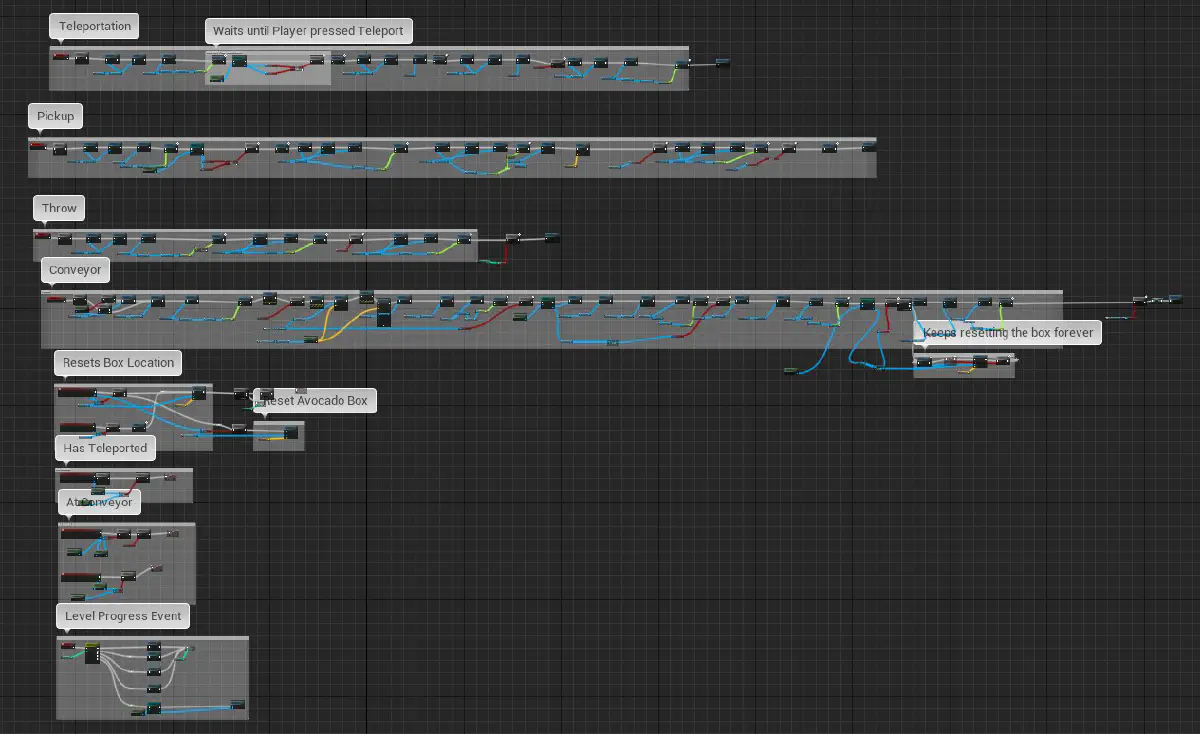
I developed Free Shipping as VR experience end-to-end in Unreal Engine 4 — designing and sourcing 3D models, writing all the game logic, and handling the interactions. It was a solo project in terms of direction and development, with collaborators brought in for playtesting and voice recording. I received meaningful mentorship from Scandar Copti, Academy Award nominee director and my professor at the time.
The Concept
I gamified the experience of unconscious/racial biasing. Inspired by games like “Papers Please”, “Undertale”, “Train”, the player is doing a mundane job and quickly realizes the only way to score points is to lean on racial stereotypes.
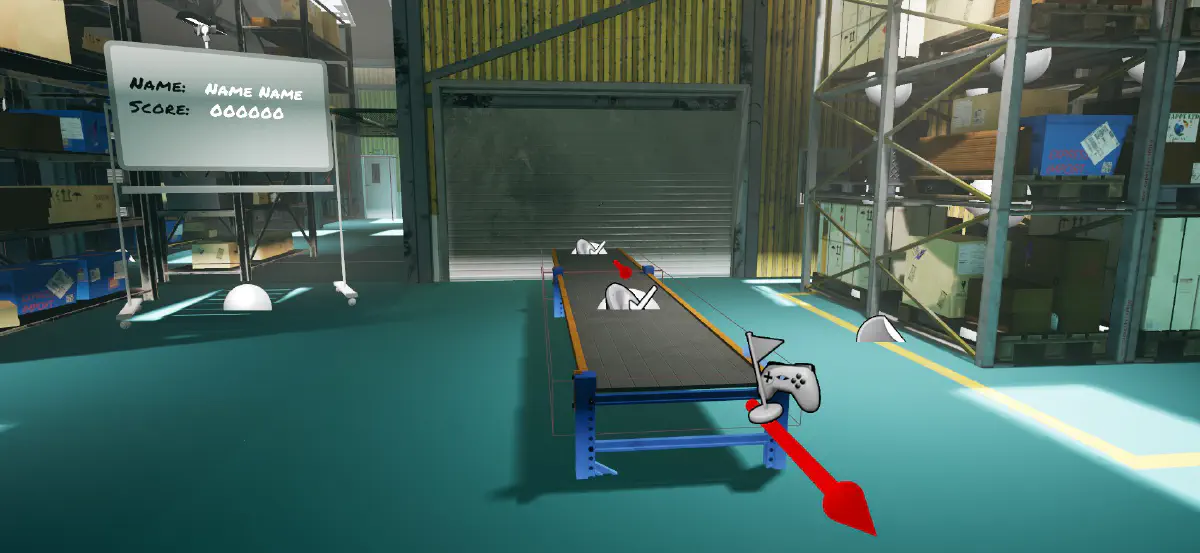
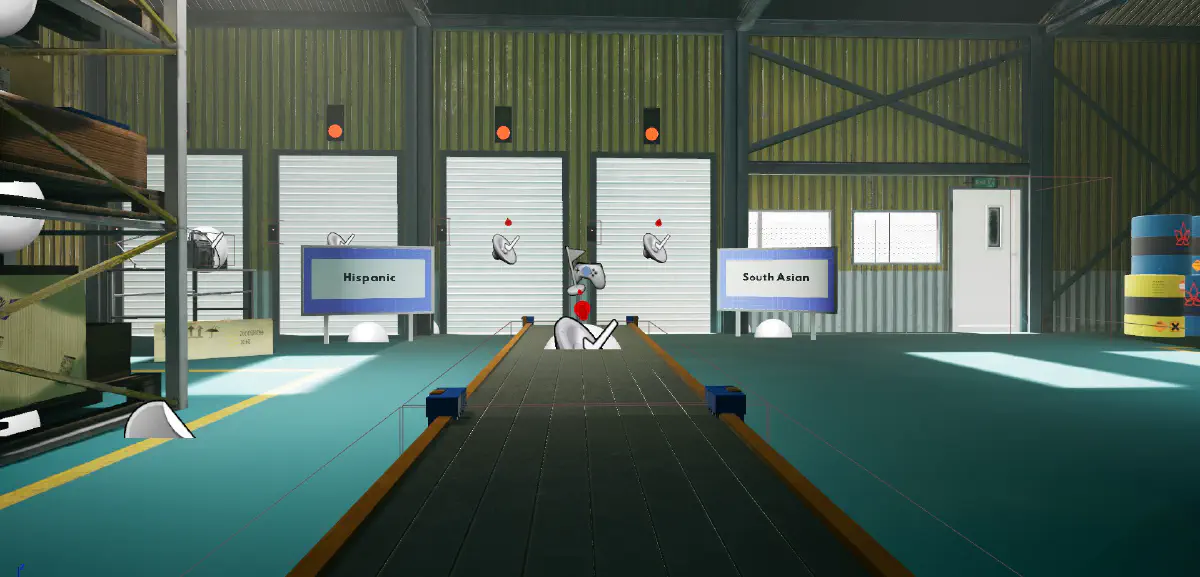
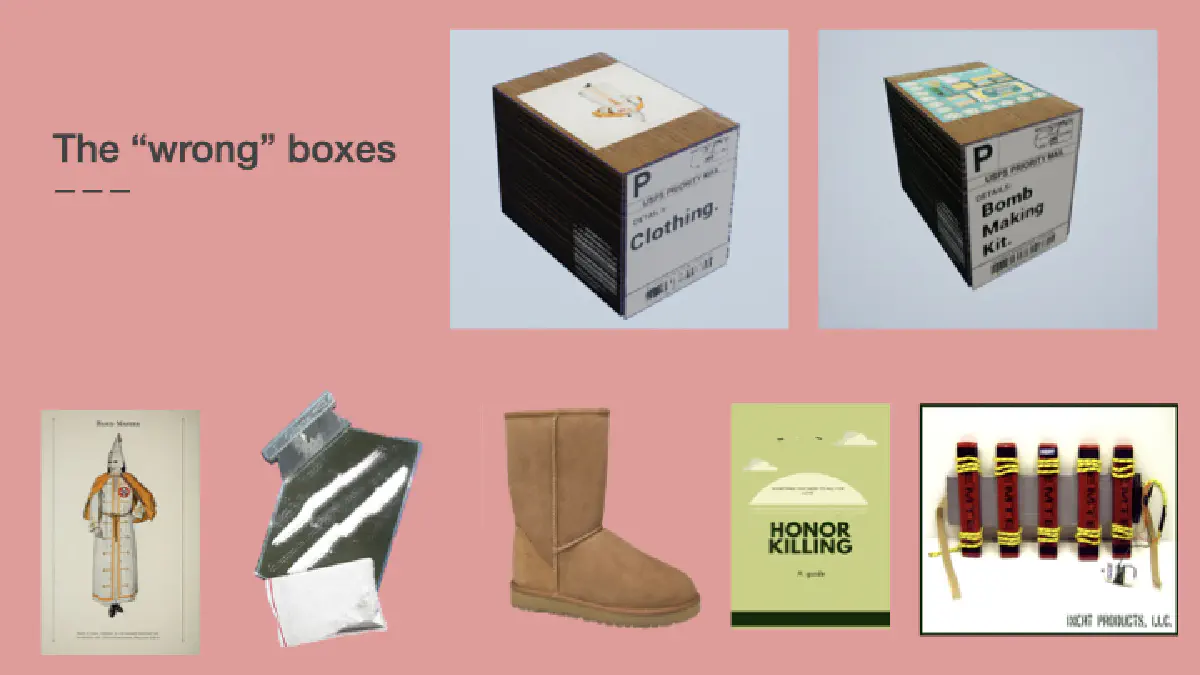
I placed the player inside a warehouse, sorting items from a conveyer belt into trucks labelled by ethnicity: African, Middle Eastern, Caucasian, and Hispanic. The items, that I’ve drawn from real testimonials and personal accounts represent cultural belongings that people associate with those communities. The game doesn’t tell you it’s wrong, but it rewards you for being fast.
Research & Data
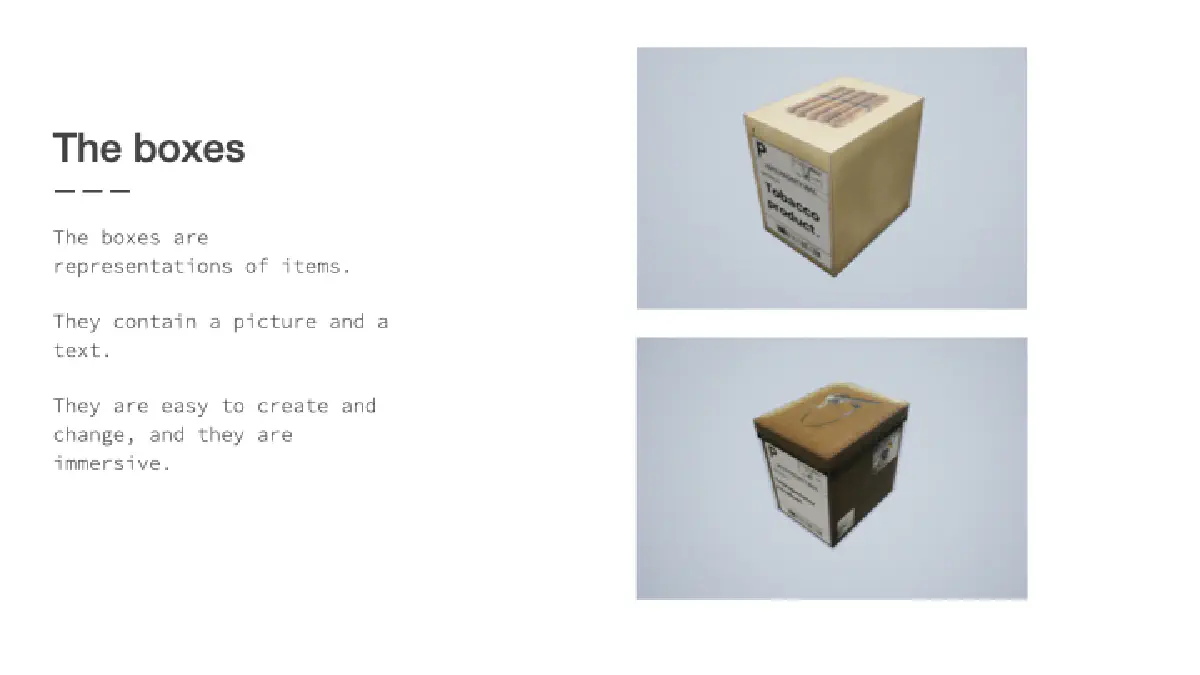
The item selection wasn’t arbitrary. I collected data from personal testimonials, from people who reported being subject to “random checks” and reoccurring stops by border control. As expected, in the testimonials I received, the ethnicity of the subject was usually a determining factor for their treatment by authorities. This helped me ground the setting and informed what items would go into the boxes.
Game Design
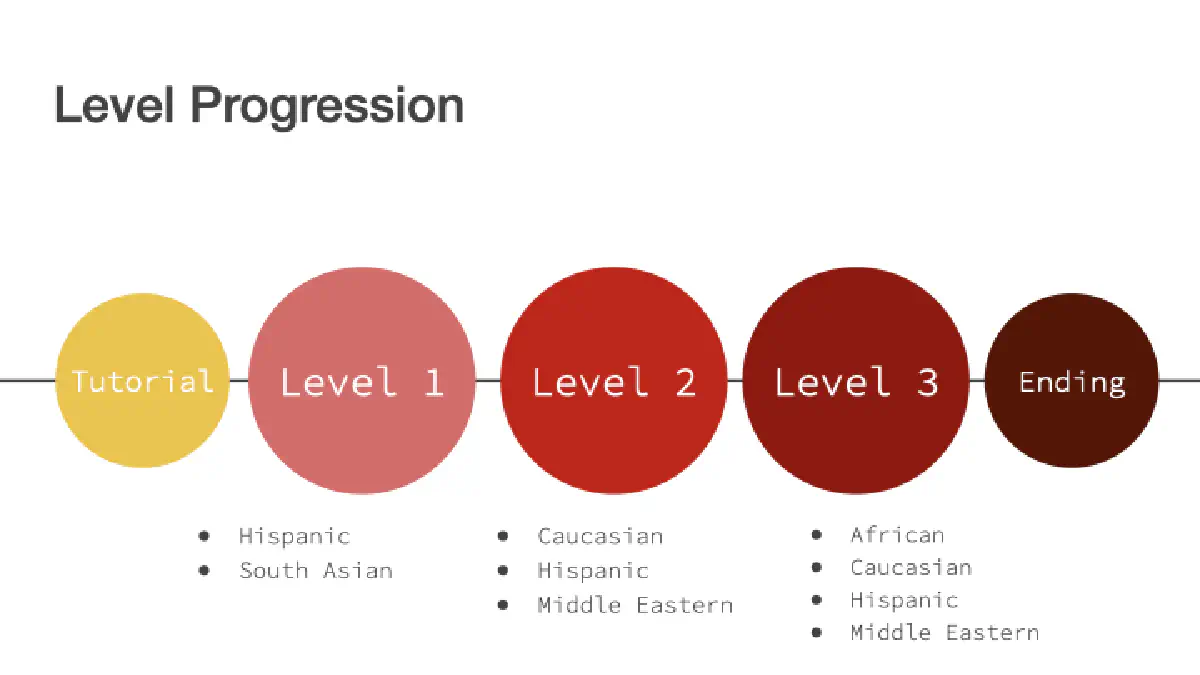
The levels progressed from simple to complex across three levels. The experience was designed so that every player was able to finish, there is no Game Over.
Interactions
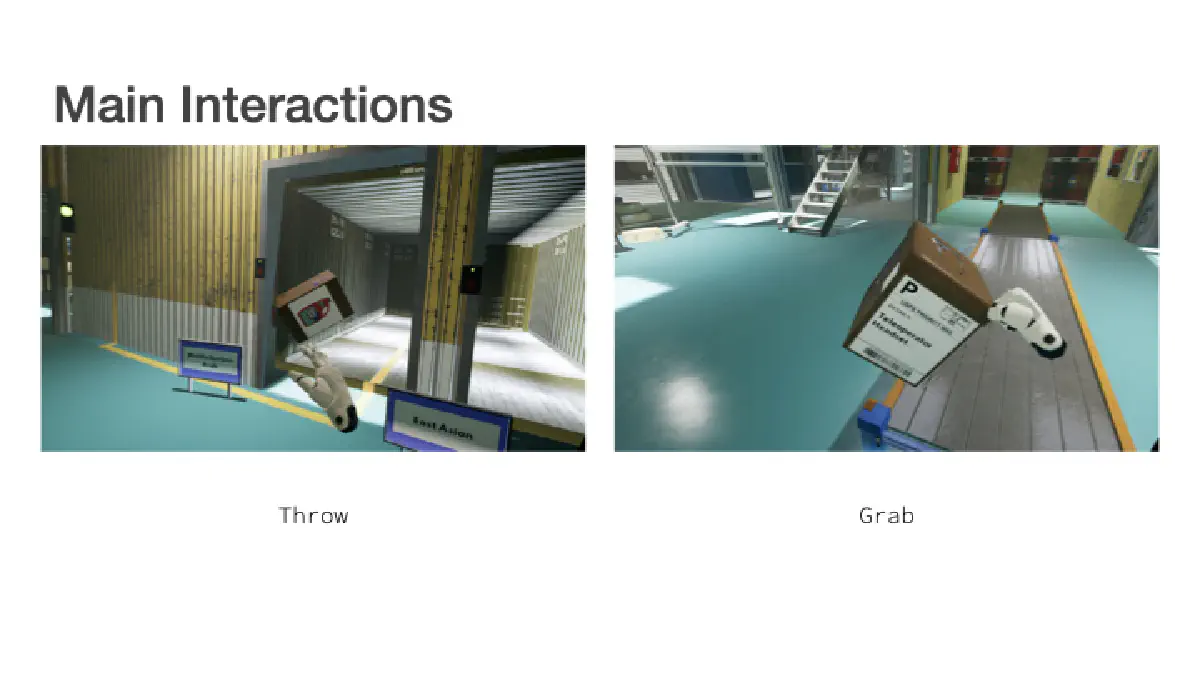
Interactions are kept intentionally simple: teleport to move, grab and throw. The physicality is deliberate. Engaging the whole body makes the discomfort of morally loaded choices easier to absorb. A flat screen doesn’t do that.
Sound
Sound is a key layer. I recorded narration with Ruobing Zhao, a fellow student. Her voice served as a PA style voice of God, giving instructions and absorbing some of the complicity. This was directly inspired by the Stanford Prison Experiment and the experiments of Stanley Milgram, where authorities made it easier to go along with morally questionable actions.
Game Intro
NDA Ending
NDA Text
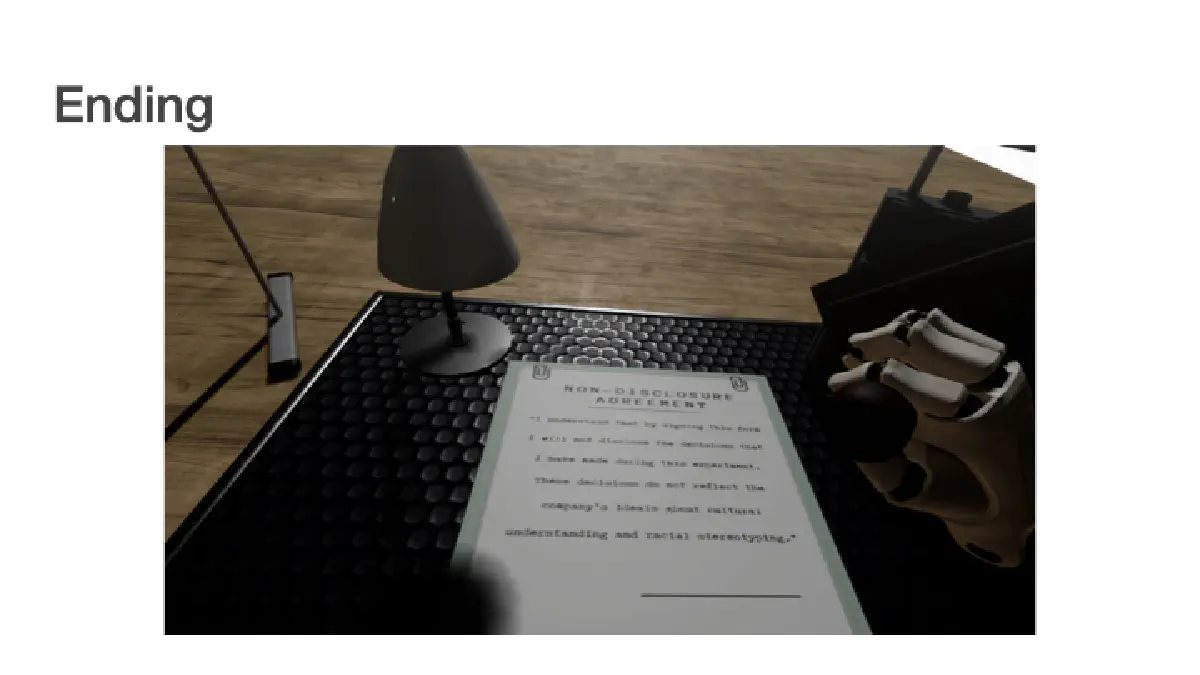
Ending
Why VR?
Where screens and traditional controllers create a type of distance, VR creates immersion. Every decision the player makes hits differently this way. I wanted to bring them closer to their own thought process as they sort through the boxes. The player participates in the biasing and in doing so, is forced to acknowledge it.
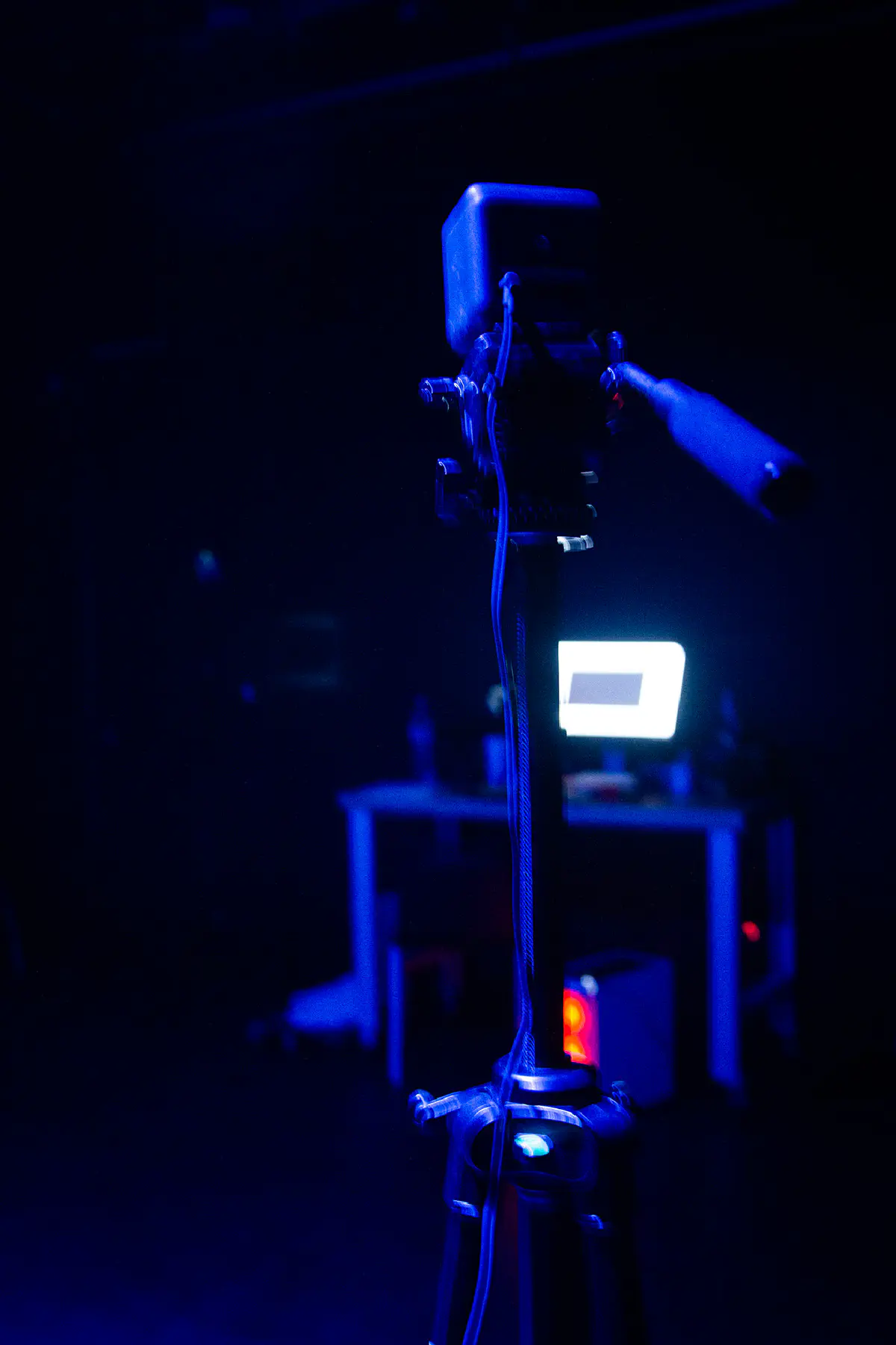
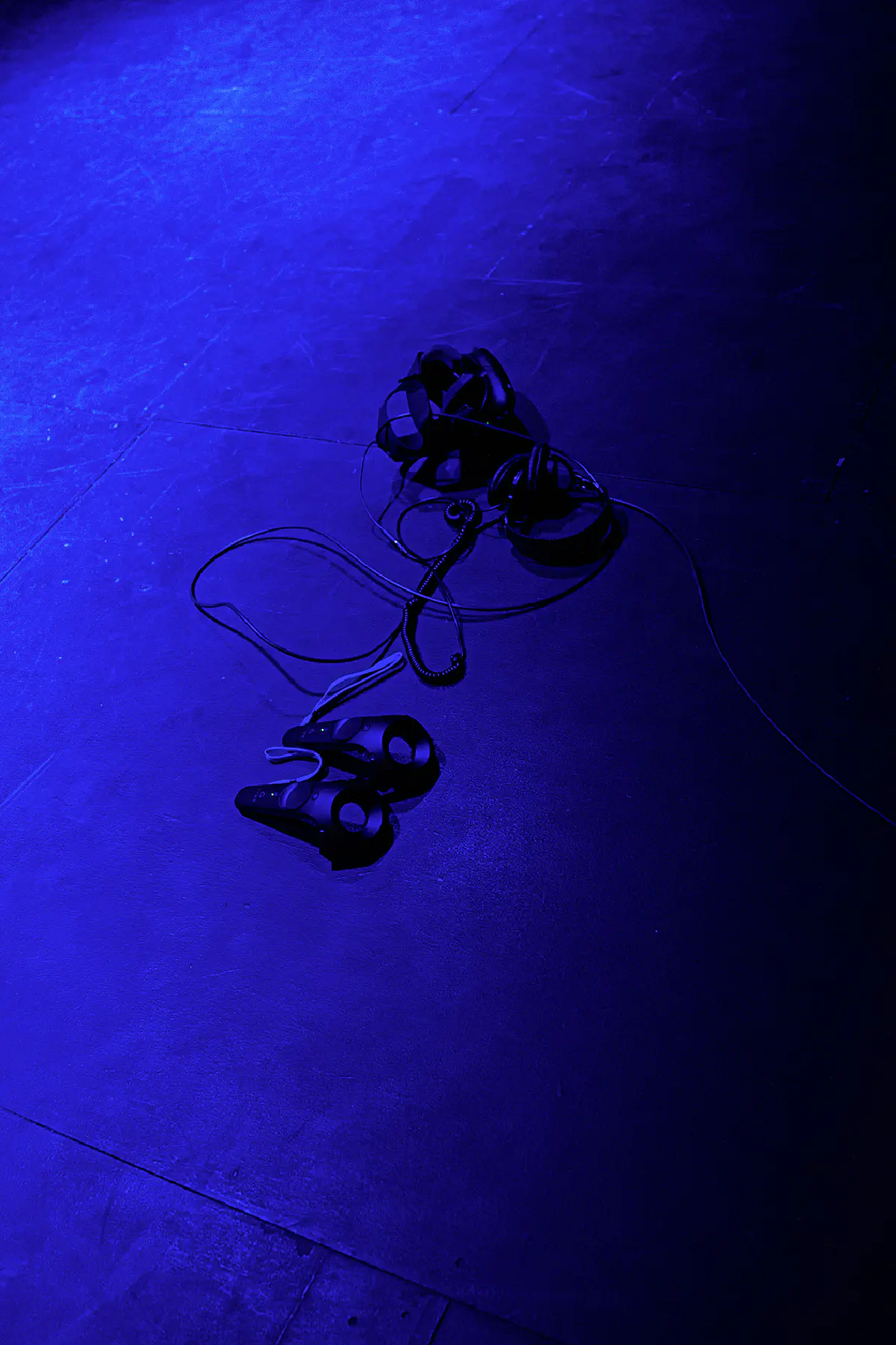
Ending
The experience ends with the player signing an NDA. The narration frames it as routine, making sure nobody gets into trouble. But the implication is intentional: most corporate cases of racial discrimination never become public because NDAs make silence affordable. The ending isn’t a twist so much as a quiet acknowledgment of how these things actually work.
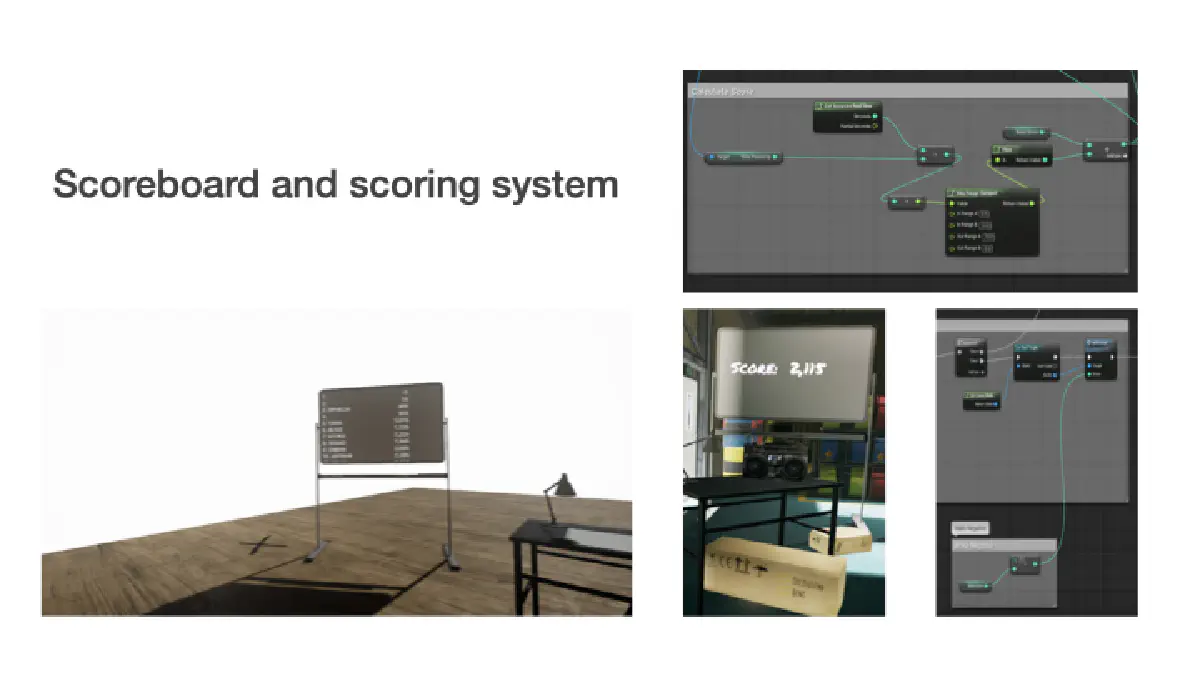
Excellence at the game was measured by points that the players scored, which appeared on the leaderboard.
Influences
Beyond the games, I drew heavily from the Implicit Association Test (IAT), a tool used to measure unconscious bias through timed, snap decisions. The time pressure in Free Shipping mirrors that structure: you don’t have time to deliberate, so your instincts take over.
Reception
Free Shipping premiered at the NYU Abu Dhabi Capstone Festival. Demand was high enough that I was asked to add extra viewing slots on the spot. I was also invited to present at a roundtable discussion and class talks. It became one of the more referenced projects from the cohort, partly because it was one of the few that used mixed media to tell a story.